
 Gold IRA
 Silver
 Gold
Gold Platinum
 Palladium
 Bitcoin
 Ethereum
 Gold Calculators
 Questions? Call (626) 605-3152
Is Your Gold Bar Real? Find Out by Following These Instructions
Disclosure: We are reader-supported. If you purchase from a link on our site, we may earn a commission. Learn more
Last Updated on: 23rd September 2025, 07:36 pm

Gold bars have appreciated so much that high-quality counterfeits are common, especially for 10 oz and larger bars. The good news: with the right checks and a few modern tools, you can quickly build high confidence in authenticity. Below are practical, non-destructive tests used by reputable dealers and assayers today. Skip gimmicks (e.g., toothpaste); focus on methods that actually detect plated or tungsten-cored bars.
Tools at a Glance
You may not need all of these, but the more you have the better:
- Caliper + scale: size/weight vs mint specs; quick but surface-level.
- Strong magnet + slide test: fast screen; many fakes still pass.
- Eddy-current tester: great quick check for correct conductivity.
- XRF analyzer: confirms surface fineness/alloy; not through-thickness.
- Ultrasound: detects internal cores/voids; best for larger bars.
- Brand tech (VERISCAN®, etc.): instant verification where supported.
NOTE: You can even test your gold using basic household goods, such as a simple tube of toothpaste. Follow these six instructions to make certain you are not holding or buying a counterfeit.
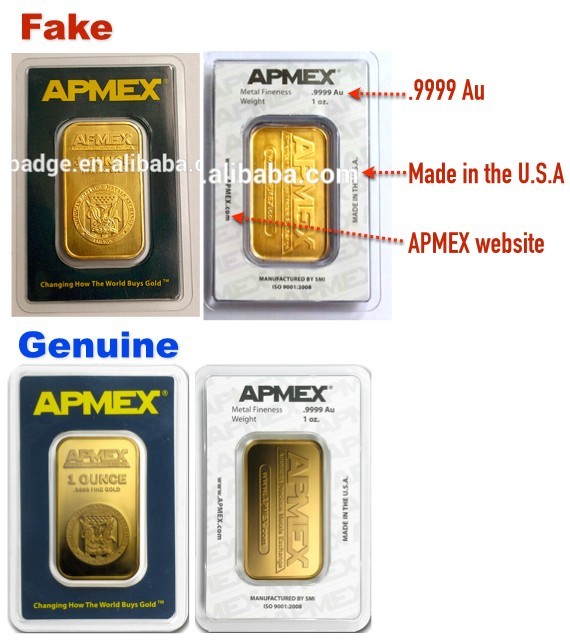
Examine Mint Marking Details
Start with provenance. Prefer LBMA-recognized brands purchased from established dealers, and keep invoices, photos, and serial numbers.
Now compare the bar to the mint’s official specs and press images:
- Logo, font, spacing, finish, and border details
- Stamped weight, fineness (e.g., “9999”), and a unique serial.
- Packaging features (e.g., sealed assay card, tamper seals)
Small cosmetic differences can occur between production runs, but obvious font/spacing errors, missing serials, or sloppy logos are red flags. Always cross-check against the manufacturer’s current product sheet.
If you do not see any markings of any kind, or if the bar is suspiciously lacking critical information about its content, then these are obvious giveaways for a fake. Do not be satisfied with simply finding markings though. You should obtain a blown-up picture of the real gold bar in question and focus carefully on the little details like any artwork design and even the font of the text used. Some images will have borders around them as well. Inconsistencies between the authentic picture and the bar mean you have a counterfeit.
Measure the Dimensions (with tolerances)
Gold is dense; dimensions matter. Get the official length/width/thickness from the mint’s datasheet, then measure with a caliper.
Important: real bars have manufacturing tolerances, especially cast bars. A slight variance within the mint’s published range is normal. Meaningful deviations (e.g., thickness off by >1–2% when the mint lists tighter tolerances) warrant deeper testing.
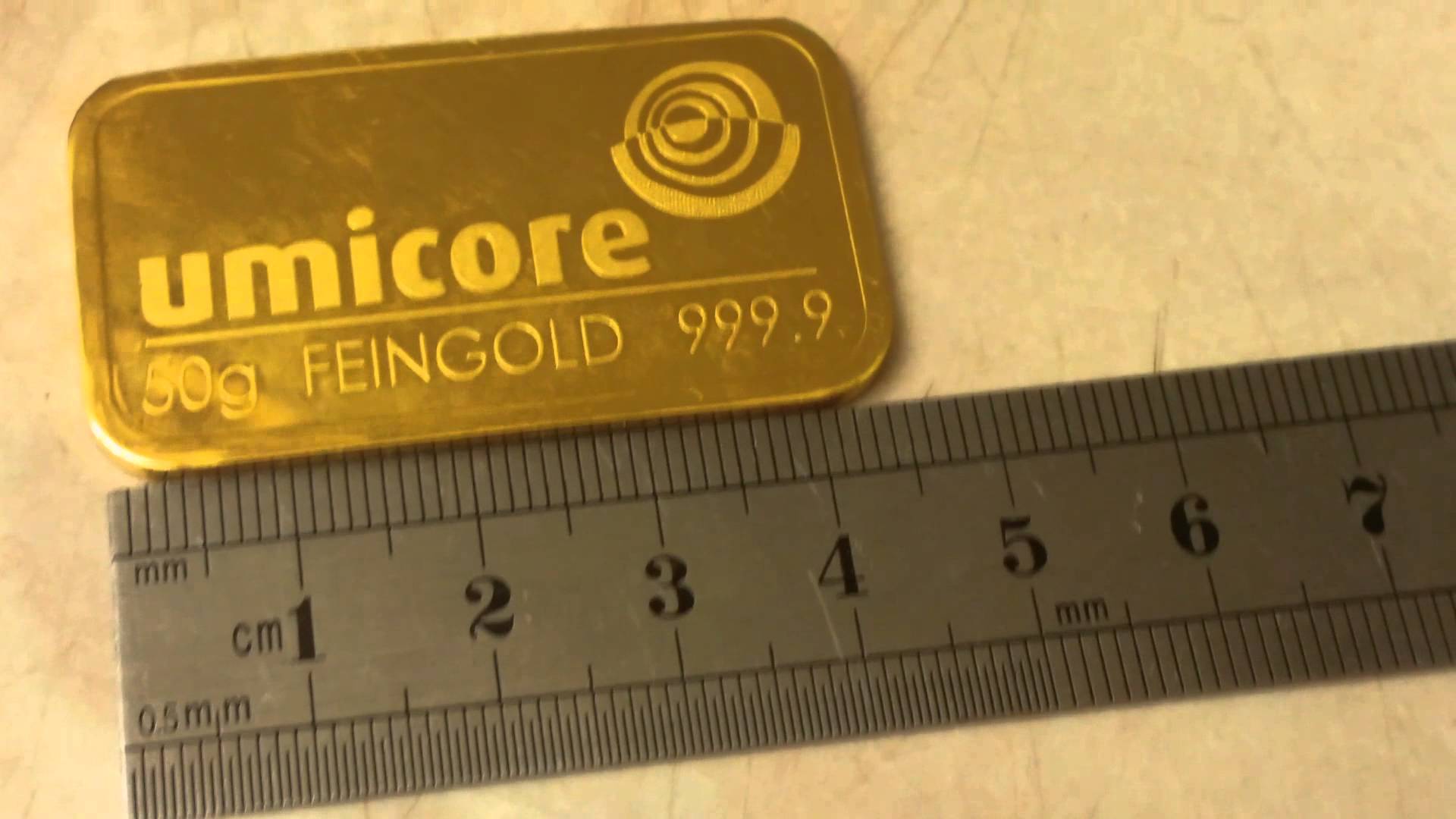
With the caliper, be sure to measure the length, the width, and thickness of your gold bar. If you find even the slightest difference between the supplied measurements and the ones you carefully take, then this bar is counterfeit. You know this with confidence because identical molds are employed by either the government or private mints to produce their proprietary gold bars.
Check the Weight (but don’t stop here)
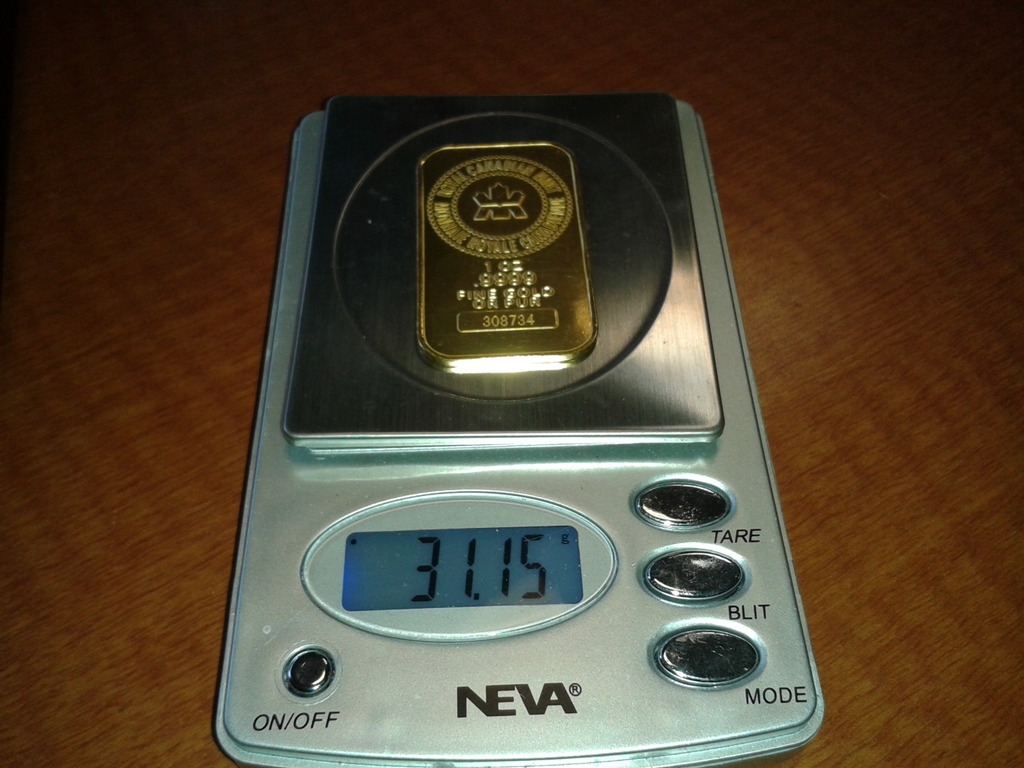
Use a precise electronic scale and compare to the stamped weight and mint specs. Weight should be within the mint’s tolerance.
Caveat: weight alone does not prove authenticity. Modern counterfeits often use tungsten (similar density to gold), which can match weight. Treat weight as one screen, not the final word.
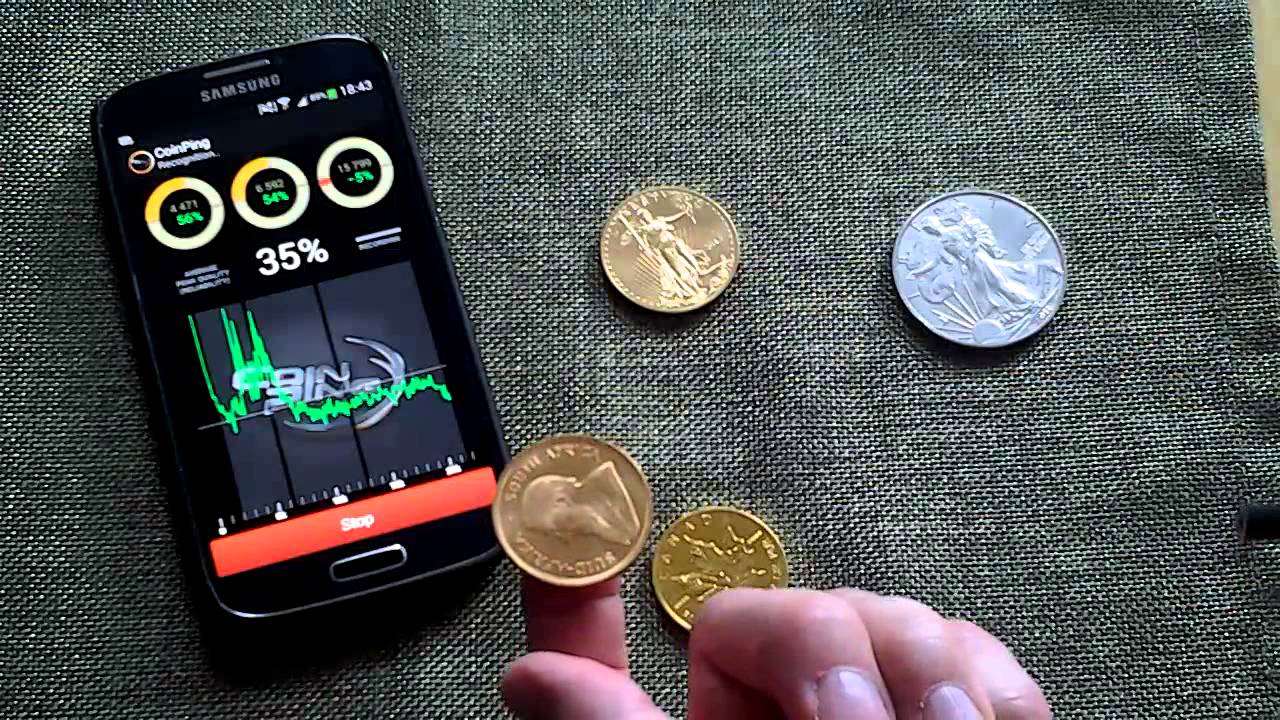
Listen for the Ringing Sound
Skip the “Ping” for Bars; Use Eddy-Current/XRF Instead.
The ringing/ping test is better for coins and is unreliable for bars. For bars, use:
- Eddy-current conductivity testers (quick, non-destructive) to see if the bar’s electrical signature matches gold.
- X-ray fluorescence (XRF) to verify surface composition and fineness. XRF is fast and non-destructive but reads only the surface—use it with another test for depth.
Make Sure The Bar Is Not Magnetic
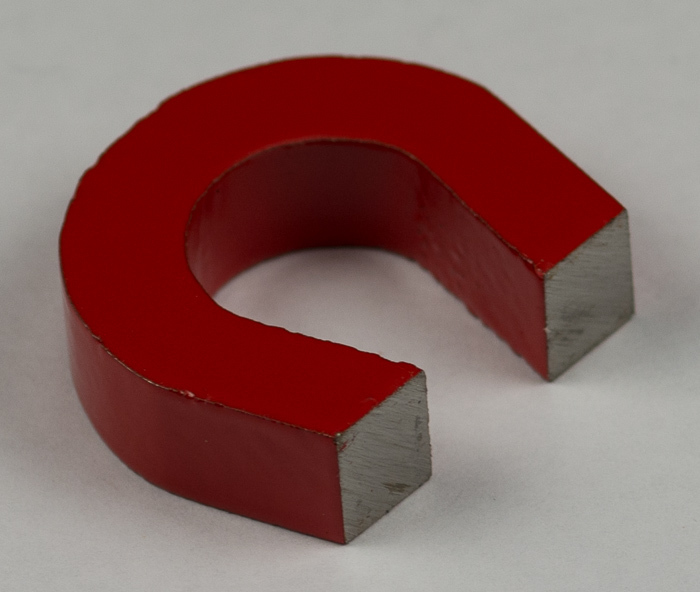
Gold isn’t magnetic. A strong magnet should not attract the bar. For a better screen, use a neodymium “slide test”: tilt a magnet and let the bar slide—precious metals exhibit a characteristic slow, smooth descent due to eddy-current drag.
Warning: many counterfeit alloys are also non-magnetic, so a pass here does not prove authenticity. Combine with eddy-current/XRF/ultrasound.
Ultrasound for Internal Consistency (ideal for 10 oz+)
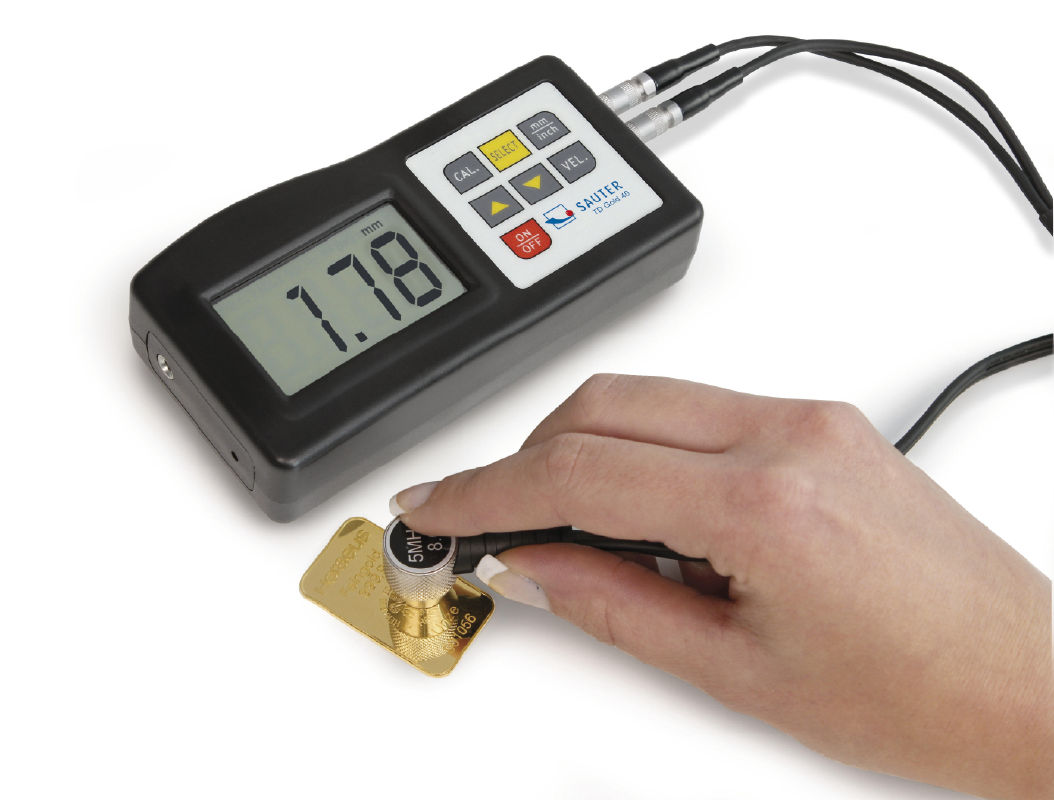
Ultrasound measures sound velocity through the bar to detect internal anomalies (e.g., tungsten cores, voids, or inserts). It’s one of the best ways to verify larger bars because it sees beneath the surface. Most professional dealers/assayers offer this service; portable bullion-oriented units also exist for on-site checks.
In Conclusion
Of course, it's a bit late for you to check a gold bar for authenticity once you already have it (and have paid for it). This is why it makes sense to perform these tests on gold bars as you are shopping for them in person. Any reputable precious metals dealer or jeweler should not have an issue with you carefully examining, measuring, or weighing the merchandise according to the tests we outlined.
Use Mint/Brand Authentication (when available)
Some mints embed verifiable security:
- PAMP VERISCAN®: scans a micro-surface “fingerprint” on the bar and compares it to the mint’s record.
- (For coins) Royal Canadian Mint Bullion DNA®: micro-engraved privy marks tied to a secure database, such as seen in the gold maple leaf coins.
If your bar supports these, verify it. It's fast and high-confidence screening.
A Simple 6-Step Flow (modern best practice)
- Provenance: dealer receipt + photos of serial/packaging.
- Visual/spec check: markings, serial, finish vs official images.
- Measure & weigh: within mint tolerances.
- Eddy-current test: quick conductivity signature check.
- XRF scan: confirm surface fineness/alloy.
- Ultrasound (esp. 10 oz+): confirm internal consistency.
Any failure → do not buy; seek a professional assay.
To buy verified authentic gold, consider only shopping for bullion or coins from exclusively top-ranked gold investment companies.


 Gold: $4,118.18
 Silver: $57.64
 Platinum: $1,651.14
 Palladium: $1,101.54
 Bitcoin: $82,964.20
 Ethereum: $2,449.00